In the remote and mystical landscapes of the Kumaon Himalayas, where the earth touches the heavens and ancient legends come alive, stand two of the most sacred peaks in Hindu spirituality: Adi Kailash and Om ॐ Parvat. These majestic mountains, rising to 6,191 meters above sea level, are not merely geographical landmarks but profound spiritual destinations that have drawn pilgrims, seekers, and devotees for centuries. Their significance transcends the physical realm, offering a gateway to divine consciousness and spiritual awakening in the heart of the Indian Himalayas.
The Divine Significance of Adi Kailash: The Ancient Abode of Lord Shiva
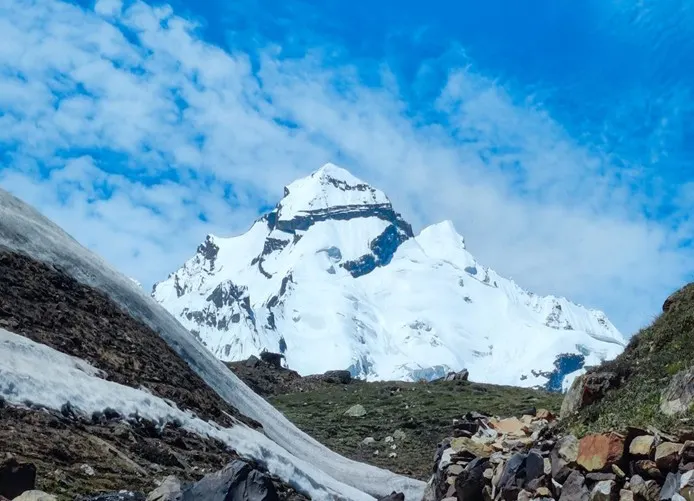
Adi Kailash, also revered as Chota Kailash or Little Kailash, stands as one of the most sacred mountains in Hindu tradition. Located in the Dharchula region of Uttarakhand, India, this magnificent peak holds a unique position in spiritual geography as the earthly abode of Lord Shiva. The name "Adi Kailash" translates to "Ancient Kailash" or "Original Kailash," symbolically linking it to the legendary Mount Kailash in Tibet, which is considered the ultimate spiritual destination for millions of devotees worldwide.
The Mythological Foundation
According to ancient Hindu scriptures and local traditions, Adi Kailash is believed to be the first dwelling place of Lord Shiva, predating even the famous Mount Kailash in Tibet. This sacred connection elevates Adi Kailash as a powerful pilgrimage site where devotees seek divine blessings and spiritual enlightenment. The mountain is said to be the place where Lord Shiva performed his cosmic dance, known as the Tandava, revealing his divine form to sages and establishing the eternal rhythm of creation and destruction.
Hindu mythology describes Adi Kailash as the meditation seat of Lord Shiva, where he sits in eternal contemplation, governing the cosmic forces of the universe. The very presence of this sacred peak is believed to emanate powerful spiritual vibrations that can transform the consciousness of those who approach it with devotion and reverence. Pilgrims undertake challenging journeys to the base of Adi Kailash, where they perform ancient rituals and seek blessings in pursuit of spiritual liberation and divine grace.
The Spiritual Gateway
Standing at an impressive elevation of 6,191 meters (20,312 feet), Adi Kailash serves as a spiritual gateway for pilgrims embarking on their sacred journey. The surrounding landscape, characterized by breathtaking vistas, crystal-clear alpine lakes, and dense forests, creates a serene atmosphere that enhances the mountain's spiritual allure. The pristine environment, untouched by modern civilization, provides the perfect setting for meditation, introspection, and spiritual practices.
The journey to Adi Kailash is considered a transformative experience that tests not only physical endurance but also spiritual resolve. Devotees believe that the very act of undertaking this pilgrimage purifies the soul and brings one closer to divine consciousness. The challenging terrain and remote location serve as metaphors for the spiritual journey itself, requiring dedication, perseverance, and unwavering faith.
Om Parvat: The Mountain That Speaks the Sacred Sound
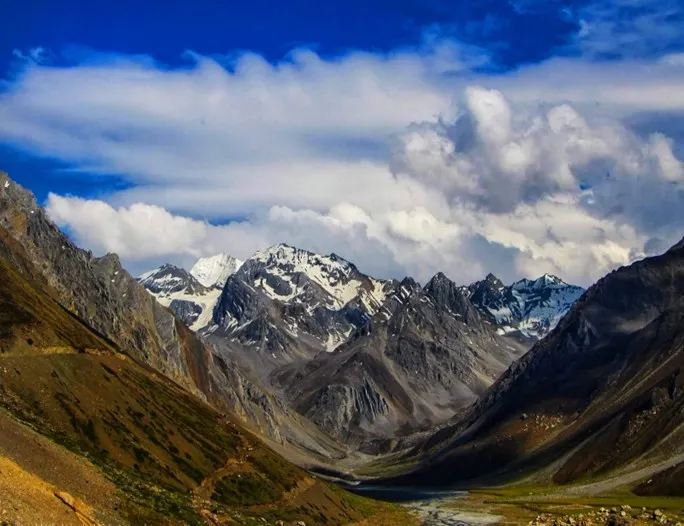
Om Parvat, located in the Pithoragarh district of Uttarakhand, represents one of nature's most extraordinary spiritual manifestations. This majestic peak, also standing at 6,191 meters (20,312 feet), is renowned worldwide for its remarkable natural formation that closely resembles the sacred Hindu symbol "Om" (ॐ) on its rocky surface. This divine feature, created by the interplay of snow, rock, and natural erosion over millennia, has made Om Parvat a unique pilgrimage destination that attracts devotees, spiritual seekers, and nature enthusiasts from across the globe.
The Sacred Symbol Manifested in Nature
The Om symbol, also written as AUM, is considered the most sacred sound in Hinduism, representing the cosmic vibration from which all creation emerges. It embodies the essence of the ultimate reality, consciousness, and the divine presence that pervades the universe. The fact that this sacred symbol appears naturally on the face of Om Parvat is viewed by devotees as a divine miracle, a sign that the mountain itself is blessed by the cosmic consciousness.
The naturally occurring snow formation on Om Parvat's southwest face creates a striking resemblance to the Om symbol, particularly visible during certain seasons when the snow patterns align perfectly with the rock formations. This phenomenon is not merely a coincidence but is believed to be a manifestation of divine will, making the mountain a living temple where the sacred and the natural converge in perfect harmony.
The Mystical Experience
The spiritual significance of Om Parvat extends beyond its visual representation of the sacred symbol. The mountain is believed to be a powerful energy center where the cosmic vibrations are particularly strong. Many pilgrims report experiencing profound spiritual insights, healing, and transformation during their visit to this sacred site. The pure mountain air, the silence of the high altitudes, and the overwhelming presence of the divine symbol create an atmosphere conducive to deep meditation and spiritual practice.
The Sacred Pilgrimage: Journey to the Divine Peaks
The pilgrimage to Adi Kailash and Om Parvat is more than a physical journey; it is a spiritual odyssey that transforms the seeker from within. Both peaks are located in the western Himalayas, marking the border between India and Tibet, in a region that has remained largely untouched by modern development. This remoteness adds to their spiritual significance, as pilgrims must demonstrate genuine commitment and devotion to reach these sacred destinations.
The Pilgrimage Route and Experience
The traditional route to both Adi Kailash and Om Parvat begins from Kathgodam and proceeds through Pithoragarh, Dharchula, and Gunji before reaching the base camps of these sacred peaks. This journey takes pilgrims through some of the most spectacular landscapes in the Indian Himalayas, including dense forests, alpine meadows, glacial valleys, and high-altitude deserts.
The pilgrimage typically follows this route:
- Kathgodam to Pithoragarh: The gateway to the Kumaon Himalayas
- Pithoragarh to Dharchula: Entering the border region
- Dharchula to Gunji/Nabi: Approaching the high-altitude zone
- Gunji to Jolingkong: The base camp for Adi Kailash
- Viewing Om Parvat: From various vantage points along the route
Spiritual Preparation and Significance
The journey to these sacred peaks requires not only physical preparation but also spiritual readiness. Pilgrims traditionally undertake various purification rituals, fasting, and meditation practices before embarking on this sacred journey. The challenging terrain and high altitude serve as natural tests of devotion and determination, filtering out those who are not genuinely committed to the spiritual quest.
The pilgrimage season typically runs from May to October, when the weather conditions are most favorable and the mountain passes are accessible. During this time, the Om symbol on Om Parvat is most clearly visible, and the routes to Adi Kailash are open for pilgrims. The best time to witness the Om formation is usually during the post-monsoon period when the snow patterns are most distinct.
Connection to the Greater Kailash Tradition
Adi Kailash serves as a spiritual preparation ground for those aspiring to visit the ultimate destination of Mount Kailash in Tibet. In Hindu tradition, it is believed that Lord Shiva first established his presence at Adi Kailash before moving to the more remote Mount Kailash. This makes Adi Kailash not just a destination in itself but also a stepping stone in the greater spiritual journey toward the cosmic center of Shiva consciousness.
The mountain is often referred to as the "gateway" to Mount Kailash, both geographically and spiritually. Pilgrims who visit Adi Kailash are said to receive the blessings necessary to undertake the more challenging journey to Mount Kailash, if such an opportunity arises in their lifetime. This connection makes Adi Kailash accessible to devotees who may not be able to travel to Tibet but still wish to experience the divine presence of Lord Shiva in his Himalayan abode.
Seasonal Spiritual Significance
The spiritual significance of these peaks varies with the seasons, each offering unique opportunities for different types of spiritual practice and realization:
Spring (March-May): The awakening of nature mirrors the awakening of spiritual consciousness. This is considered an ideal time for new beginnings and spiritual initiation.
Summer (June-August): The full bloom of the Himalayan landscape represents the flowering of spiritual realization. The clear visibility of the Om symbol during this period makes it particularly auspicious for meditation and contemplation.
Autumn (September-November): The post-monsoon clarity offers the clearest views of both peaks. This season is associated with harvest and the fruition of spiritual practices, making it ideal for those seeking to deepen their existing spiritual understanding.
Winter (December-February): While physically challenging, winter visits are undertaken by advanced practitioners seeking the profound silence and introspection that the snow-covered landscape provides.
Practical Guidance for Modern Pilgrims
Physical and Mental Preparation
Undertaking the pilgrimage to Adi Kailash and Om Parvat requires careful preparation on multiple levels. Physical fitness is essential, as the journey involves trekking at high altitudes with significant elevation changes. Pilgrims should begin a fitness regimen at least 2-3 months before their planned journey, focusing on cardiovascular endurance, leg strength, and breathing exercises.
Mental and spiritual preparation is equally important. Many pilgrims find it beneficial to establish a regular meditation practice, study relevant scriptures, and cultivate the mental resilience needed for the challenges of high-altitude travel. The journey tests not only physical endurance but also mental fortitude and spiritual commitment.
Essential Considerations for the Journey
Permits and Documentation: The region requires special permits due to its proximity to international borders. Pilgrims must obtain Inner Line Permits and ensure all documentation is in order well before their planned departure.
Altitude Acclimatization: The high altitude of both peaks requires careful acclimatization. Pilgrims should plan for gradual ascent and be aware of altitude sickness symptoms. Spending time at intermediate altitudes before attempting to reach the base camps is highly recommended.
Weather Conditions: Himalayan weather can be unpredictable and change rapidly. Pilgrims must be prepared for various weather conditions and carry appropriate gear for rain, snow, and extreme cold.
Local Customs and Respect: The region is home to various local communities with their own traditions and customs. Pilgrims should approach these communities with respect and understanding, recognizing that they are guests in these sacred lands.
The Role of Experienced Guides
Given the challenging nature of the terrain and the spiritual significance of the journey, traveling with experienced local guides is not just recommended but essential. Local guides from the region, particularly those from Pithoragarh and surrounding areas, possess invaluable knowledge of the terrain, weather patterns, and spiritual traditions associated with these sacred peaks.
These guides serve not only as navigators and safety experts but also as cultural interpreters who can help pilgrims understand the deeper significance of the sites they visit. Their knowledge of local legends, spiritual practices, and the subtle energies of the landscape adds immeasurable value to the pilgrimage experience.