In a significant development for Himalayan trade and travel, the historic Lipulekh Pass—a key route connecting India and China—will reopen in June 2026 after a six-year closure. Situated in Uttarakhand’s Pithoragarh district, this high-altitude pass has long served as a gateway for cross-border trade and pilgrimage, especially for those traveling toward the sacred Kailash Mansarovar region.
For the travel industry, and particularly for regions like Pithoragarh, this move signals more than just the revival of trade—it opens the door to renewed tourism opportunities in one of India’s most spiritually and scenically rich destinations.
Why Lipulekh Pass Matters for Tourism
The reopening of Lipulekh Pass is expected to have a ripple effect across the Kumaon Himalayas. Historically, the route has been closely tied to pilgrimage circuits, including the Kailash Mansarovar Yatra, and nearby spiritual destinations like Adi Kailash and Om Parvat.
With improved infrastructure and renewed geopolitical cooperation, the region could see:
Increased government focus on border tourism
Better road connectivity in remote Himalayan areas
Revival of pilgrimage routes
Growth in eco-tourism and trekking circuits
For travelers, especially those seeking offbeat Himalayan experiences, this is a major moment.
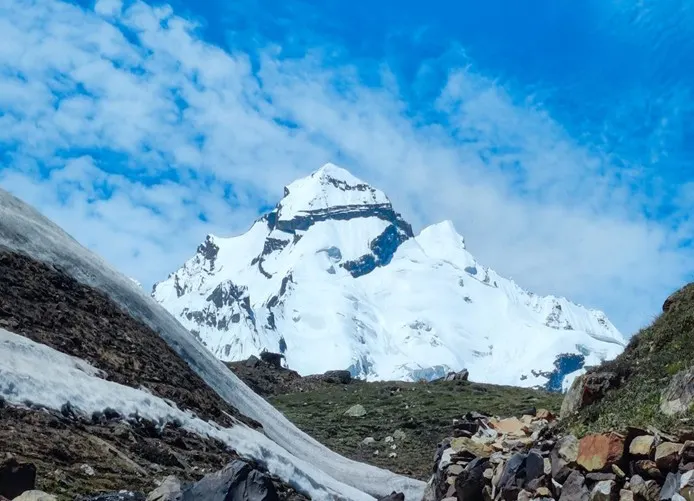
What This Could Mean for Adi Kailash Opening to Foreigners
One of the most exciting possibilities tied to this development is the potential opening of Adi Kailash to foreign travelers.
Currently, access to Adi Kailash—often called Chhota Kailash—is restricted, especially for international tourists due to its proximity to the India-China border. However, with Lipulekh Pass reopening:
1. Easing of Border Restrictions
Improved diplomatic engagement and trade activity often lead to more structured and accessible border protocols. This could pave the way for regulated foreign tourist access to Adi Kailash.
2. Boost to Spiritual Tourism
Adi Kailash holds immense spiritual significance, similar to Mount Kailash in Tibet. Opening it to international visitors could position it as a major global pilgrimage destination within India, reducing reliance on Tibet-based routes.
3. Infrastructure Development
To support trade and movement through Lipulekh, the government is likely to enhance roads, accommodations, and safety measures—making journeys to Adi Kailash more comfortable and accessible.
4. New Opportunities for Adventure Travel
Trekkers and explorers worldwide are constantly seeking untouched destinations. Adi Kailash offers a rare combination of spiritual depth and raw Himalayan beauty, making it highly attractive to foreign backpackers.
Why Adi Kailash Is the Next Big Destination
Adi Kailash is no longer just a hidden gem—it’s on the verge of becoming a globally recognized destination. Located in the Kumaon region of Uttarakhand, it offers:
Stunning views of snow-clad peaks
Sacred sites like Parvati Sarovar
The mystical Om Parvat, where snow naturally forms the sacred “ॐ” symbol
Remote Himalayan culture and authentic village life
Unlike the more commercialized circuits, Adi Kailash provides a raw, immersive experience—exactly what modern travelers are looking for.
Final Thoughts
The reopening of Lipulekh Pass in June 2026 is more than a geopolitical milestone—it’s a turning point for Himalayan tourism. For destinations like Adi Kailash, it signals a future where accessibility, global interest, and sustainable tourism come together.
If policies evolve to allow foreign travelers, Adi Kailash could soon emerge as one of the most sought-after spiritual and adventure destinations in the world.
And when that happens, Pithoragarh Backpackers will be at the heart of that journey—guiding travelers through one of the last truly untouched regions of the Indian Himalayas.